
5 Application Mistakes That Make Food Security Grants Get Rejected
Avoid the 5 mistakes that make food security grants get rejected. Learn stronger need statements, outcomes, budgets, and program design.

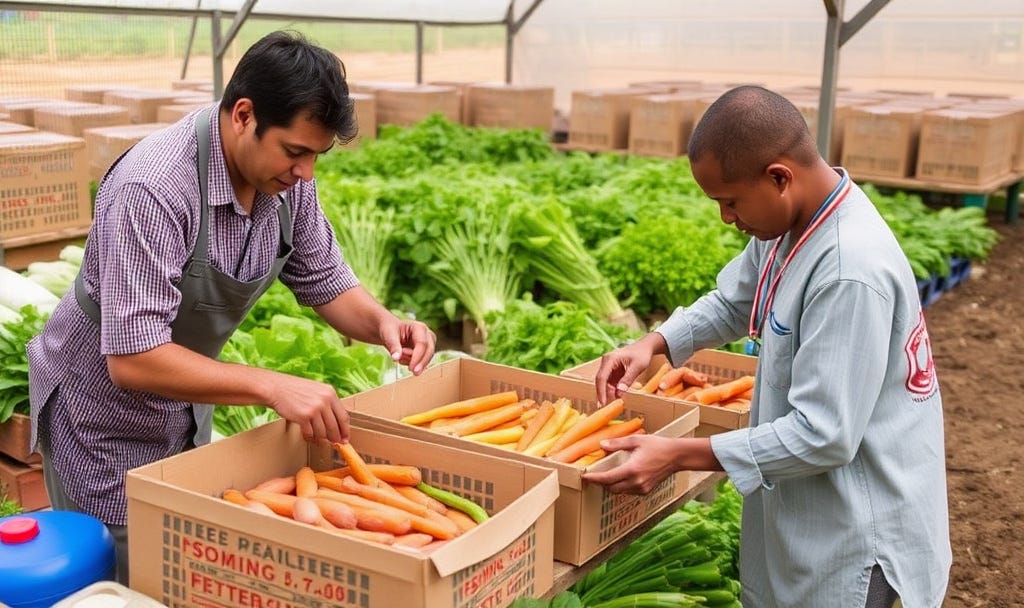
Many food security grant applications do not fail because the organization is doing meaningless work. They fail because the application makes life-saving work sound too small, too vague, too informal, or too disconnected from what funders are trained to review.
A faith-based organization may be feeding families every week, a food pantry may be serving seniors who would otherwise skip meals, and a community kitchen may be responding to real hunger in a neighborhood where grocery stores are far away and wages are not keeping up with basic needs.
But if the proposal only says, “We serve people in need,” “We give out food,” or “We need funds to help the community,” the funder may still reject it.
That is the painful gap many grassroots hunger relief nonprofits face. The work is real, but the application does not translate the work into funder language.
Food security grants, hunger relief grants, food pantry grants, emergency food grants, and grants for feeding programs are not reviewed only by people who care about hunger. They are reviewed by people looking for proof, clarity, outcomes, capacity, budget logic, compliance, and a strong reason to believe the applicant can turn funding into measurable community food access.
This is why two organizations can serve the same neighborhood and have the same passion, but one wins food assistance grants while the other receives a polite rejection letter. The difference is often not compassion. The difference is how clearly the proposal explains the local need, who will be served, what will change, how the program will operate, how the money will be managed, and why the organization is ready to deliver.
Below are five application mistakes that make food security grants get rejected, with practical examples faith-based organizations, food pantries, hunger relief nonprofits, community kitchens, school meal programs, and first-time grant applicants can use to strengthen their next food security proposal.